

What Is A Gimbal?
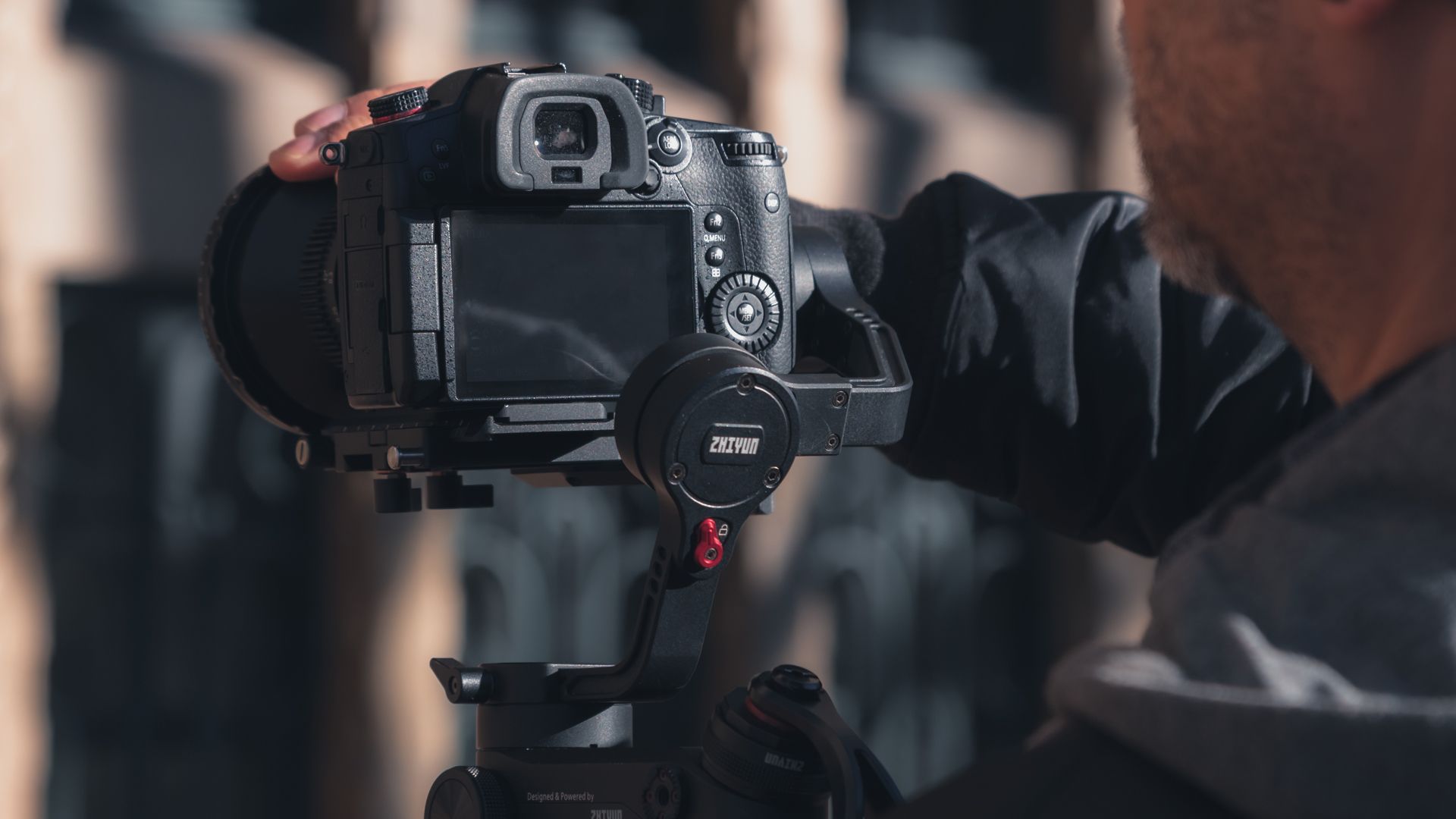
What Is a Gimbal, and How Does It Keep Footage Steady?
A gimbal is the reason handheld video can look like it was shot on rails. Point a camera at something and walk toward it, and normally every footstep shows up as a wobble in the frame. A gimbal cancels that out in real time, and it's become one of the most common pieces of gear in a modern video kit. Here's what a gimbal actually is, how it manages to keep a camera level while you're moving underneath it, and whether you actually need one.
What a Gimbal Actually Is..
A gimbal, in the broadest sense, is a pivoted support that lets something rotate freely on one or more axes while everything around it moves. The idea is old, and it didn't start with cameras. Ships have used gimbals for centuries to keep compasses and stoves level while the deck pitches underneath them, and the same principle keeps a gyroscope pointing the same direction no matter how you turn the housing around it.
A camera gimbal borrows that same mechanical idea and adds motors and sensors to it. Instead of passively hanging level under gravity, the way a ship's compass does, it actively senses which way the camera is tilting and drives motors to correct it, dozens of times a second.
How a Camera Gimbal Keeps Footage Steady
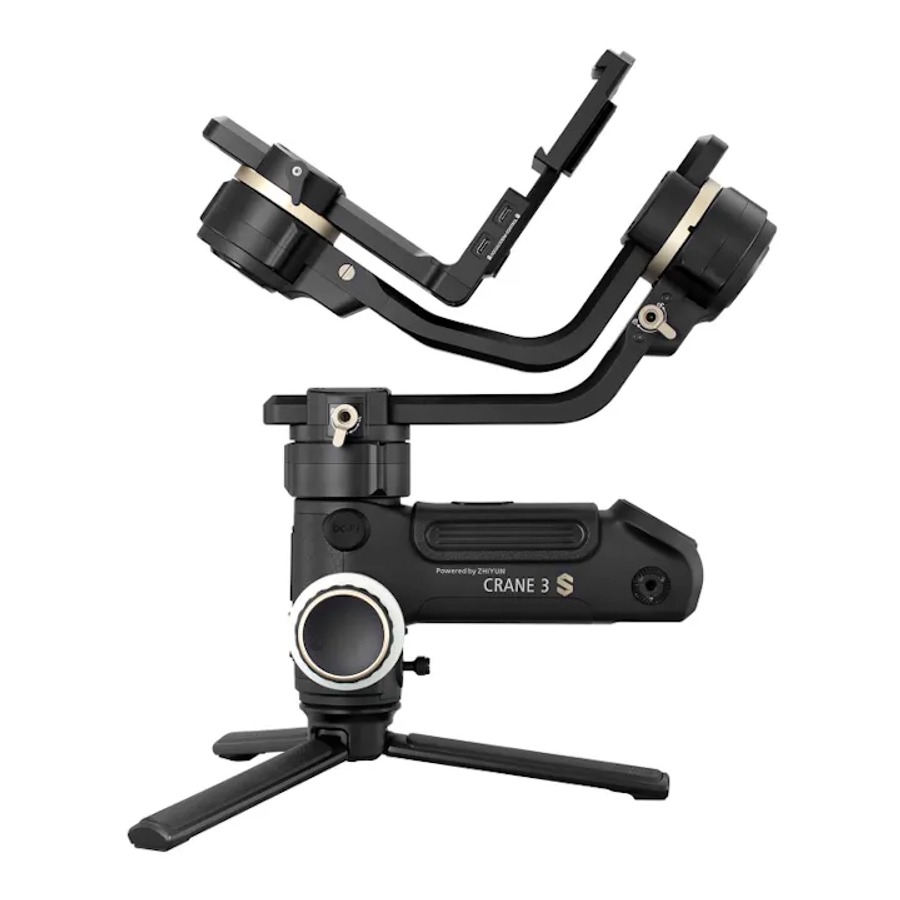
Every camera gimbal deals with three axes of movement: pitch, yaw and roll. Pitch is the camera tipping up or down, yaw is swinging left or right, and roll is tilting sideways like a spirit level going off true. A 3-axis gimbal has a motor working on each one.
Inside the gimbal, a sensor called an IMU tracks exactly how the handle is moving through space. The motors then push back against that movement in real time, so the camera platform stays level and pointed where you aimed it, even if your hand, or your whole body, is bouncing around underneath it.
Gimbal vs Other Stabilisation Gear
A gimbal isn't the only way to get steady footage, it's just the most active one. A tripod holds the camera perfectly still, which is ideal when you're not moving, but it's obviously no help the moment you need to walk with the shot.
A rig or cage takes a more mechanical approach, using counterweights and your own body to absorb movement rather than motors. It's cheaper and needs no batteries, but it takes real skill and physical conditioning to get gimbal-smooth results out of one, which is exactly the gap gimbals were built to close.
Handheld Gimbals vs Drone Gimbals
C.R. Kennedy actually sells two different categories under the word gimbal, and it's worth knowing which one you need. Handheld gimbals are the ones you hold, built for stabilising a camera, phone or small cinema rig while you walk, run or ride.
Drone gimbals do the same job in the air, mounted underneath a drone to keep the camera level and smooth while the aircraft itself pitches and banks around it. The mechanics are nearly identical, the difference is really just what's holding the other end of the gimbal.
What to Check Before Buying a Gimbal
Not every gimbal suits every camera, and a few specs matter more than the marketing copy suggests. A few things worth checking before you buy.
- Payload capacity, since a gimbal rated for a mirrorless body will struggle or fail outright with a heavier cinema camera and lens combo
- Battery life, which usually runs somewhere between 8 and 15 hours depending on the model and how hard the motors are working
- Follow modes, including face and subject tracking, if you're shooting solo without an operator to frame for you
- App support, since most modern gimbals pair with a phone app for calibration, remote control and automated camera movements
Do You Actually Need a Gimbal?
If most of your shooting is static, interviews, product shots, anything on a mirrorless camera locked to one spot, a gimbal is solving a problem you don't have. A tripod does that job better and costs a fraction as much.
Where a gimbal earns its keep is anything with movement built into the shot: walking interviews, real estate walkthroughs, run-and-gun documentary work, vlogging. If you're regularly shooting while moving and the footage needs to look intentional rather than handheld, it's one of the better investments you can make in a video kit.
Find Gimbals at C.R. Kennedy
C.R. Kennedy stocks handheld gimbals from DJI gimbals and Zhiyun gimbals, covering everything from lightweight smartphone stabilisers through to cinema-grade rigs built for heavier camera setups. For aerial work, our DJI drone gimbals range covers the gimbal cameras built into DJI's drone lineup. Get in touch with our team if you want help matching a gimbal's payload capacity to the camera you're planning to fly or shoot with.
Last Updated: 05/10/2026
