

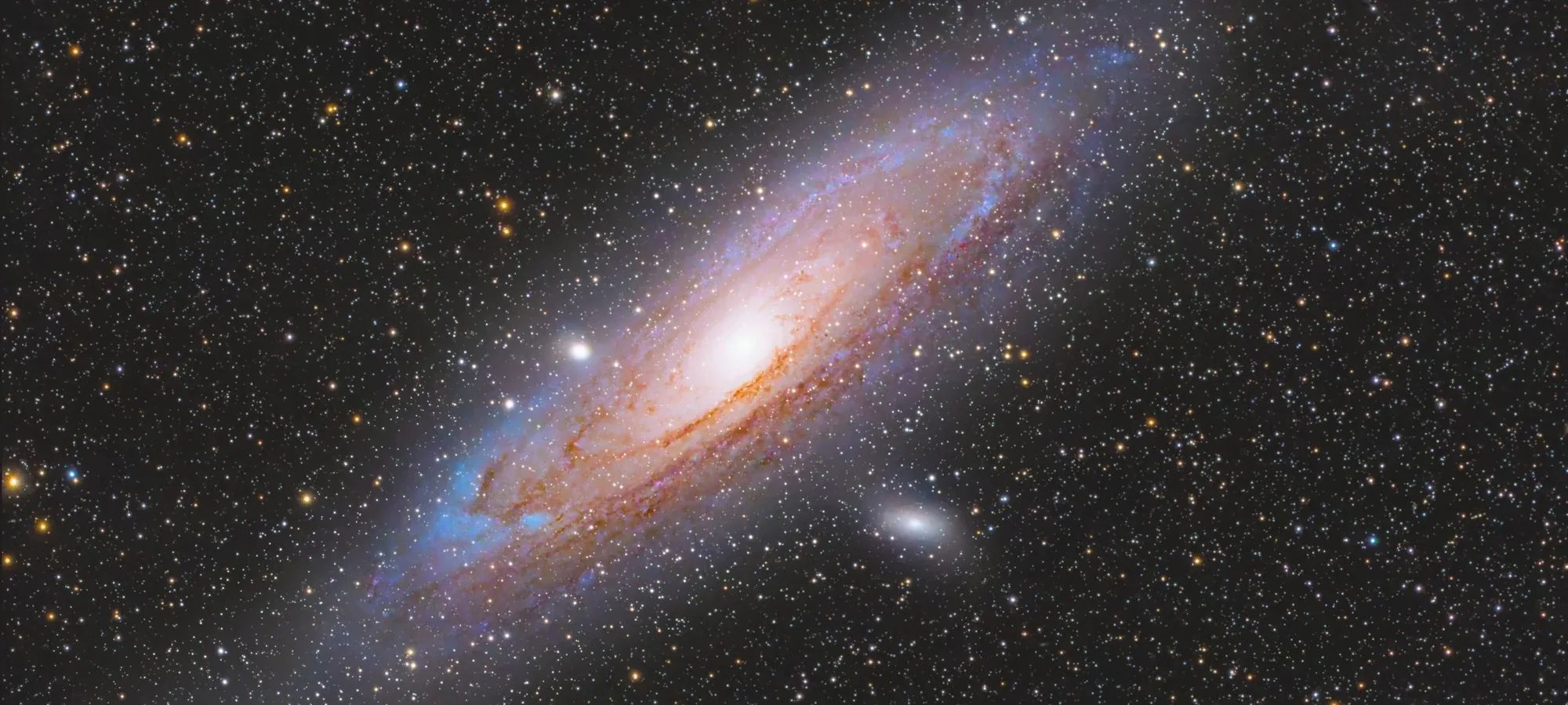
Australia's dark skies are one of the best reasons to get into astrophotography, but the wrong gear will waste clear nights fast.
Between star trackers, smart telescopes and traditional telescope and camera setups, the options have multiplied in the last few years, and each solves a different problem. This guide breaks down what each category actually does, so you can match the gear to the kind of astrophotography you want to shoot.
Why Gear Choice Matters More Under Australian Skies
Southern hemisphere skies give access to targets northern hemisphere photographers rarely see, including the Magellanic Clouds and the core of the Milky Way rising high overhead for much of the year. That access is only useful if your gear can hold a target steady long enough to gather real signal, since even a short exposure will show star trails without proper tracking. Getting tracking and stability right matters more here than in many other markets, simply because there's more worth photographing in a clear Australian sky.
Star Trackers for Wide Field Astrophotography
A star tracker is the simplest way to get into tracked astrophotography without buying a telescope. It's a small motorised mount that counteracts the earth's rotation, letting you extend exposure times well beyond what a static tripod allows before star trails appear. For Milky Way panoramas and wide field nebula shots with a standard camera and lens, a star tracker is usually the first serious upgrade beginners make.
Payload capacity is the main thing to check before buying one. A compact tracker built for a mirrorless body and a prime lens won't handle a longer telephoto lens or a small telescope, so match the tracker's rated payload to the actual gear you plan to mount on it.
Smart Telescopes vs Traditional Setups
Smart telescopes and traditional telescope and camera combinations solve the same problem in very different ways, and the right choice depends on how much control you actually want over the process.
Smart Telescopes
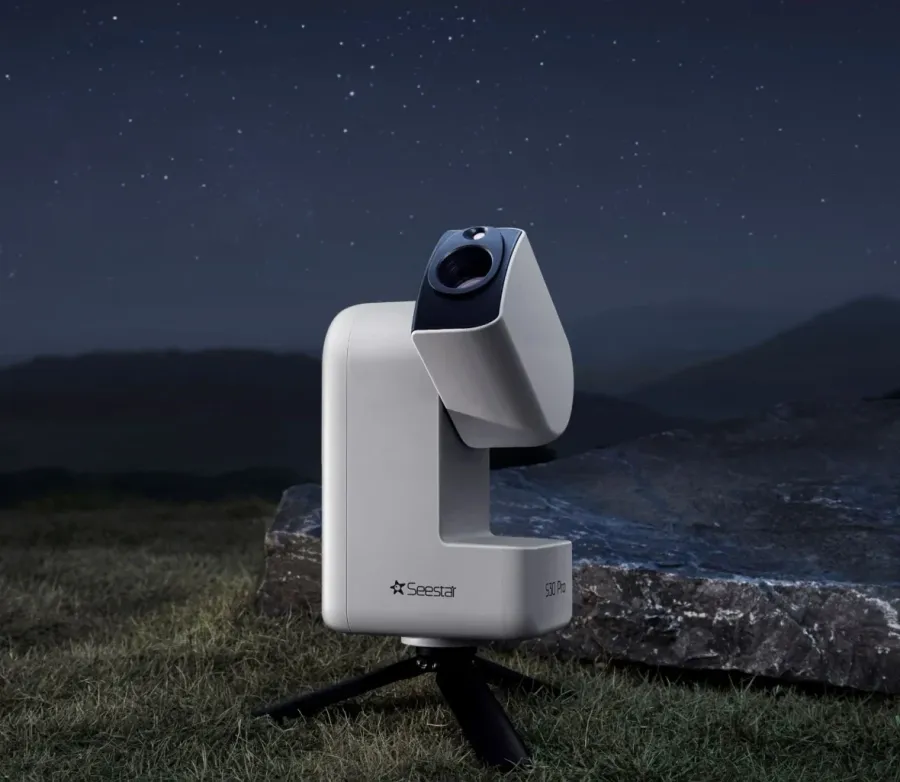
A smart telescope combines the optics, camera, mount and tracking into one sealed unit, controlled entirely from a phone or tablet. It handles alignment, tracking and image stacking automatically, which makes it a strong option for beginners or anyone who wants results without learning multiple pieces of software. The tradeoff is limited flexibility, since most smart telescopes don't accept external filters or camera swaps.
Traditional Telescopes and Cameras
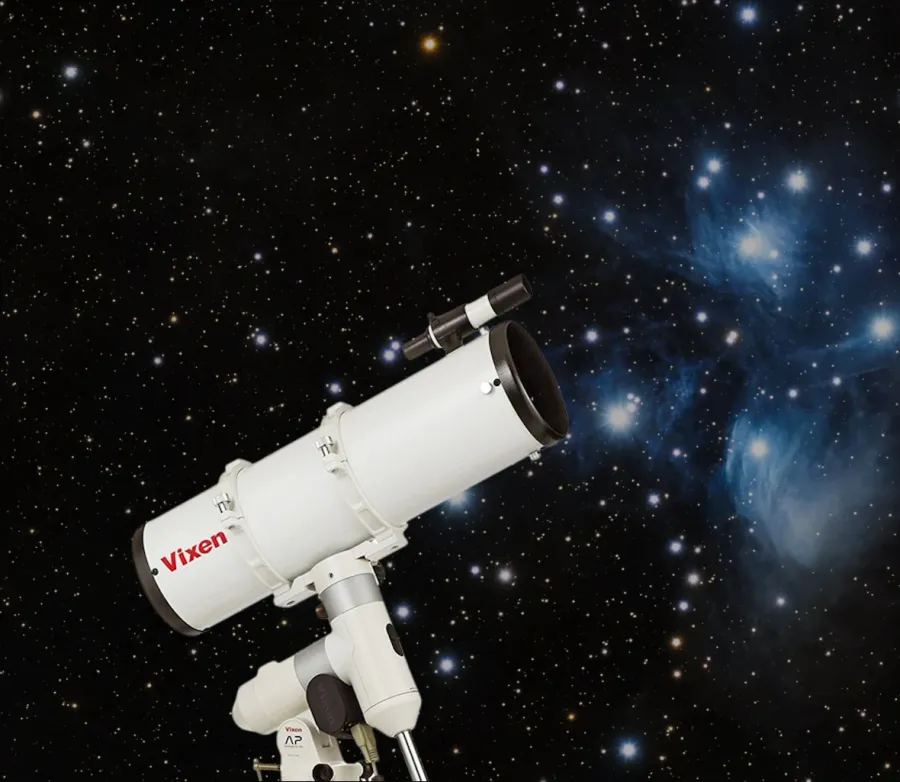
A traditional setup, pairing a dedicated telescope with a separate astrophotography camera, gives far more control over aperture, focal length and sensor choice. It takes longer to learn and align properly, but it scales with your skill level in a way a sealed smart telescope generally doesn't. Serious deep sky imagers tend to move toward this setup once they've outgrown what a beginner rig can deliver.
Choosing a Telescope for Your Target Objects
Telescope type should follow the kind of object you actually want to photograph, not the other way around. Refractors tend to produce sharper, higher contrast images for planetary and lunar work, while larger aperture designs gather more light for faint deep sky targets like galaxies and nebulae. Browsing a full range of telescopes side by side makes it easier to compare aperture and focal length against your intended subject before committing.
Accessories matter just as much as the optical tube itself once you're shooting seriously. Filters, finders and adapters from a dedicated range of optics accessories can extend what an existing telescope or camera setup is capable of, without needing to replace the core hardware.
Stability for Long Exposures
Every astrophotography setup, from a basic star tracker to a full telescope rig, depends on a stable base underneath it. Any vibration during a long exposure shows up directly as blur or star trailing, regardless of how good the tracking mount is. A solid set of tripods rated for the weight of your setup is one of the cheapest ways to improve image quality across the board.
Common Beginner Mistakes in Astrophotography
Most early frustration in astrophotography comes down to a small set of repeated issues rather than genuinely difficult technique.
Skipping polar alignment on a star tracker or equatorial mount, which throws off tracking accuracy from the first exposure
Undersizing the tripod or mount for the actual payload, leading to vibration that ruins long exposures
Shooting from light polluted locations without accounting for it in exposure and filter choices
Expecting a smart telescope to match the flexibility of a dedicated telescope and camera setup
Find Astrophotography Gear at C.R. Kennedy
C.R. Kennedy stocks a genuine Australian range of astrophotography gear, from entry level star trackers through to dedicated astronomy cameras and smart telescopes. Our ZWO range covers smart telescopes and astronomy cameras, while Vixen star trackers remain a reliable entry point for wide field work.
