

Best Lens for Portraits : 85mm vs 50mm
Which One Should You Buy?
Ask ten portrait photographers whether to buy an 85mm or a 50mm first and you'll get ten different answers, most delivered with a lot of confidence. Both lenses have genuine, well-earned reputations for portrait work, and neither one is objectively better. Here's what actually separates them, why the difference has almost nothing to do with the number printed on the barrel, and which one probably suits how you actually shoot.
The Real Difference Comes Down to Distance, Not Focal Length
The single biggest difference between 50mm and 85mm portraits isn't the focal length itself, it's how far back you have to stand to get the same framing. To fill the frame with a face at 85mm, you're standing noticeably further away than you would with a 50mm.
That extra distance is where almost every other difference people talk about actually comes from: less facial distortion, more background compression, a different feel to the interaction between photographer and subject. Focal length is really just the mechanism that lets you stand at a comfortable distance and still fill the frame.
Why 85mm Is Considered More Flattering
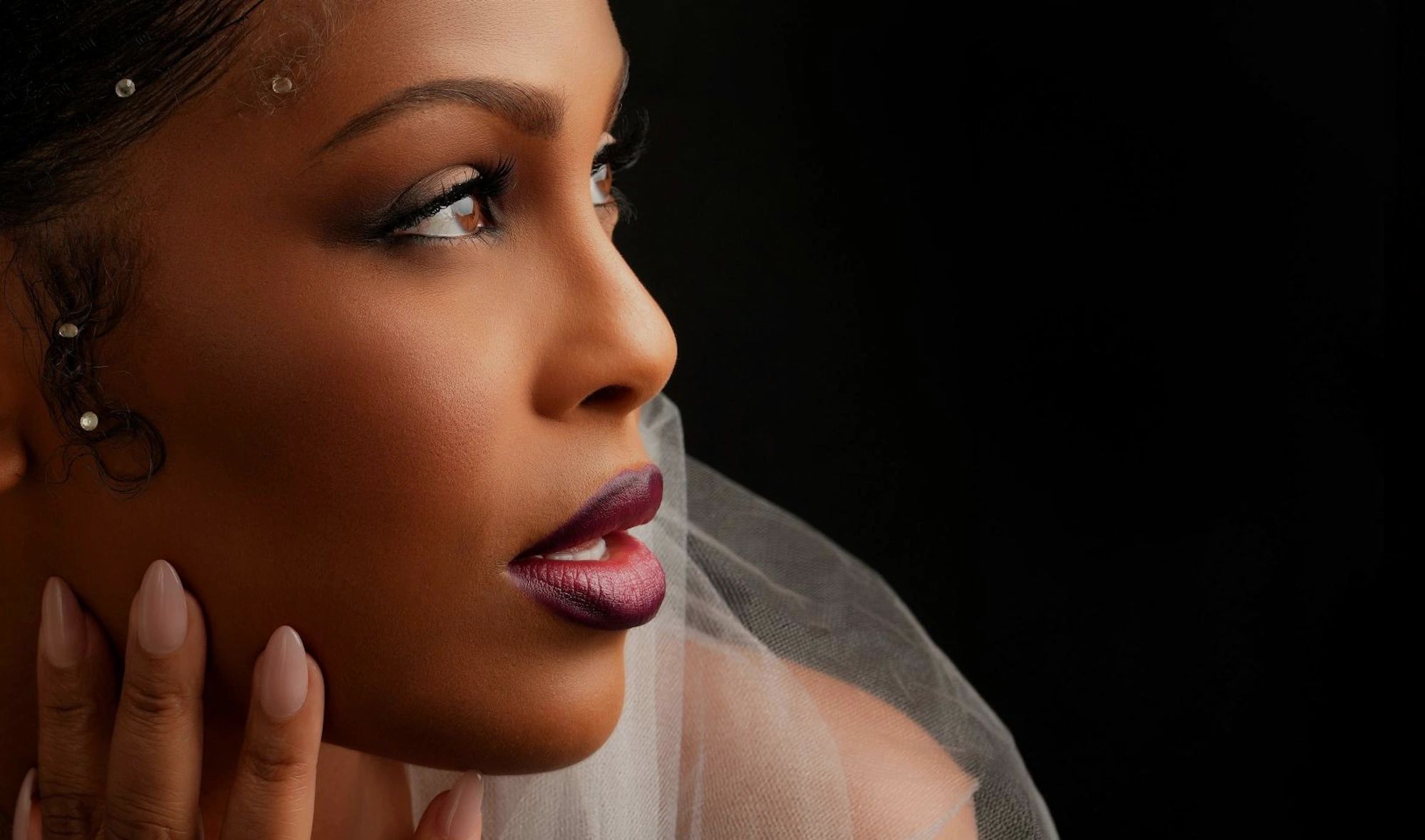
Standing further back genuinely changes how a face renders. Get close to someone with a wide lens and the parts nearest the camera, usually the nose, get rendered larger relative to everything else, which is the actual cause of the "wide lens makes noses look big" effect people blame on the lens itself.
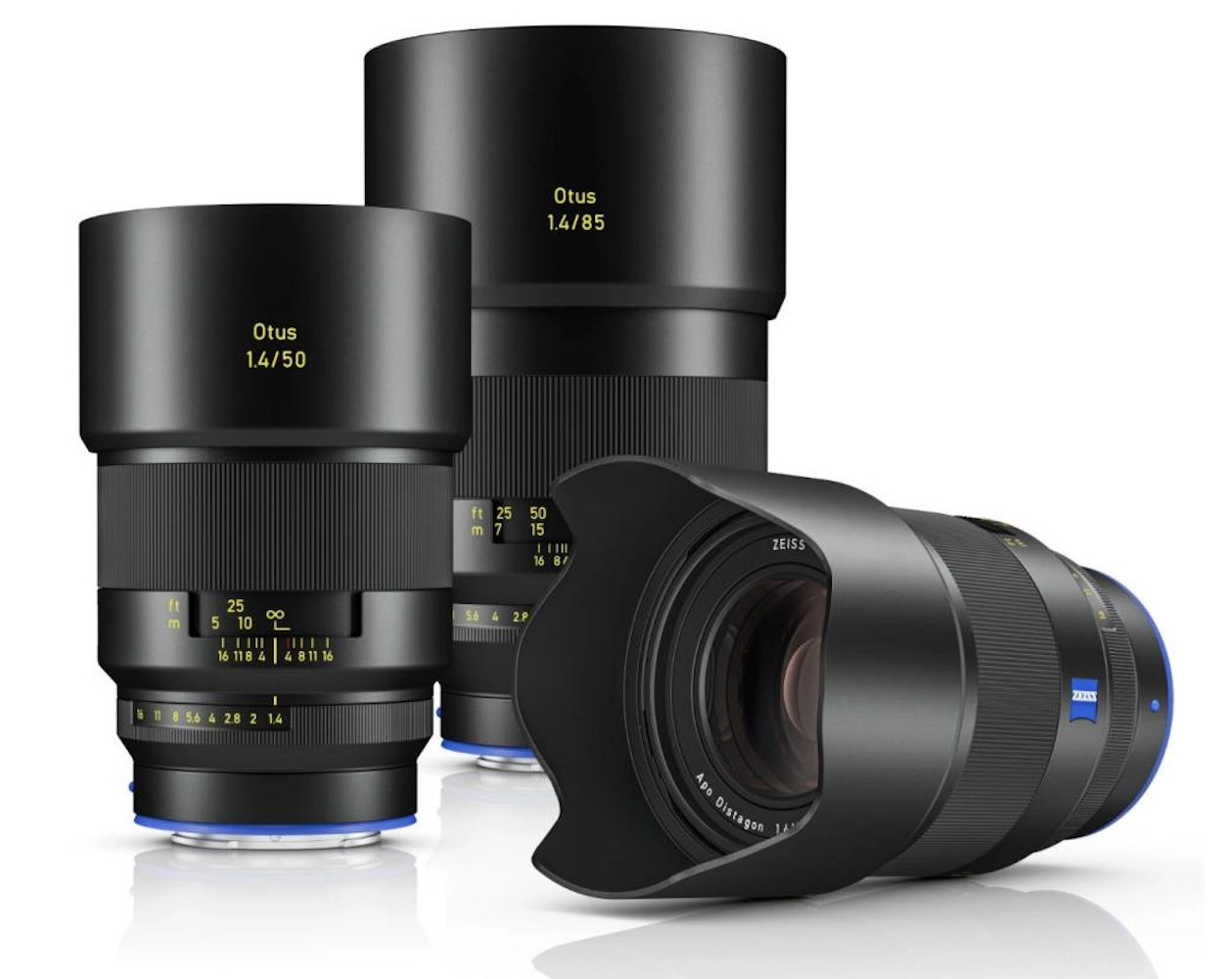
An 85mm lens lets you back up far enough that this distortion mostly disappears, which is why it's become the default recommendation for headshots and formal portraits. Our range of 85mm lenses covers everything from affordable autofocus options to studio-grade manual glass.
If you want to get more out of the focal length once you own one, our full guide to using an 85mm lens goes through framing distances and common mistakes in more depth.
Why 50mm Still Wins for Some Portrait Work
The trade-off for that flattering compression is space. An 85mm lens needs real distance between you and your subject to work properly, which is a genuine problem shooting in a small apartment, a cramped studio, or anywhere you can't physically back up far enough.
50mm also stays useful well outside portrait work. It's close enough to a normal field of view to double as a walk-around lens, and our range of 50mm lenses tends to suit photographers who want one lens that does portraits well rather than a specialist that only does portraits.
It's also the more forgiving lens for environmental portraits, where you actually want some of the background or surroundings visible to tell a story about the subject. Our 50mm lens buying guide breaks down specific models if you're shopping by budget.
Does 85mm Actually Blur the Background More?
Yes, but not for the reason most people assume. At the same aperture, an 85mm lens shot from further away blurs the background more than a 50mm shot up close with matching framing, because both the longer focal length and the extra distance are working in the same direction.
That effect is stronger again on a full-frame camera than on a crop-sensor body, since the larger sensor needs less cropping to reach the same framing, which keeps you at the full working distance the lens was actually designed around.
Space and Distance: The Question That Actually Decides This
Before worrying about which lens is more flattering, work out whether you can actually use an 85mm where you shoot. If your typical space is a small room, a tight studio, or anywhere you can't back up more than two or three metres, an 85mm will fight you constantly.
Outdoors, at an event, or in any space with real room to move, that constraint disappears and the choice comes down to preference rather than practicality. This is the question worth answering honestly before you spend money on either lens.
So, Which Should You Buy First?
If you mostly shoot individual portraits and headshots, and you have the space to work with, 85mm is the more specialised, more flattering choice, and it's hard to go wrong with it for that specific job.
If you're buying your first prime lens, shoot in tighter spaces, or want something that handles portraits alongside everything else you photograph, 50mm is the safer, more versatile starting point. Plenty of working photographers end up owning both eventually, reaching for whichever one actually fits the room they're shooting in that day.
Find 85mm and 50mm Lenses at C.R. Kennedy
C.R. Kennedy stocks Sigma 85mm lenses for fast, modern autofocus glass, and Pentax 50mm lenses for photographers building a kit around Pentax's DSLR and mirrorless systems. Get in touch with our team if you want help deciding which focal length actually suits the spaces you shoot in.
