

How to Choose the Right Paper for Photo Prints?
The right paper can make or break a print, even when the image itself is perfect.
Photographers often spend hours perfecting an edit, only to print it on whatever paper happens to be loaded in the printer. The surface, weight, and finish of your paper directly affect contrast, colour saturation, and how a print is perceived in the hand or on a wall. Choosing the right Photo Paper for the job is as much a creative decision as the edit itself.
The Rundown:
- Do the right paper choice
- Types of Photo Papers
- Photo Paper Brands
- Find a genuine source to purchase
Why Paper Choice Matters
Every paper surface interacts with ink differently. A glossy surface sits ink on top, producing punchy colour and deep blacks, while a matte cotton rag absorbs ink into the fibre, producing a softer, more textured result. The same file printed on two different papers can look like two different photographs.
Beyond surface finish, weight (measured in GSM) affects how a print feels and holds up over time, and longevity varies significantly between budget photo paper and archival fine art stock. Matching the paper to the subject, the purpose, and the display environment is the difference between a print that looks considered and one that looks like an afterthought.
Photo Paper Finishes Explained
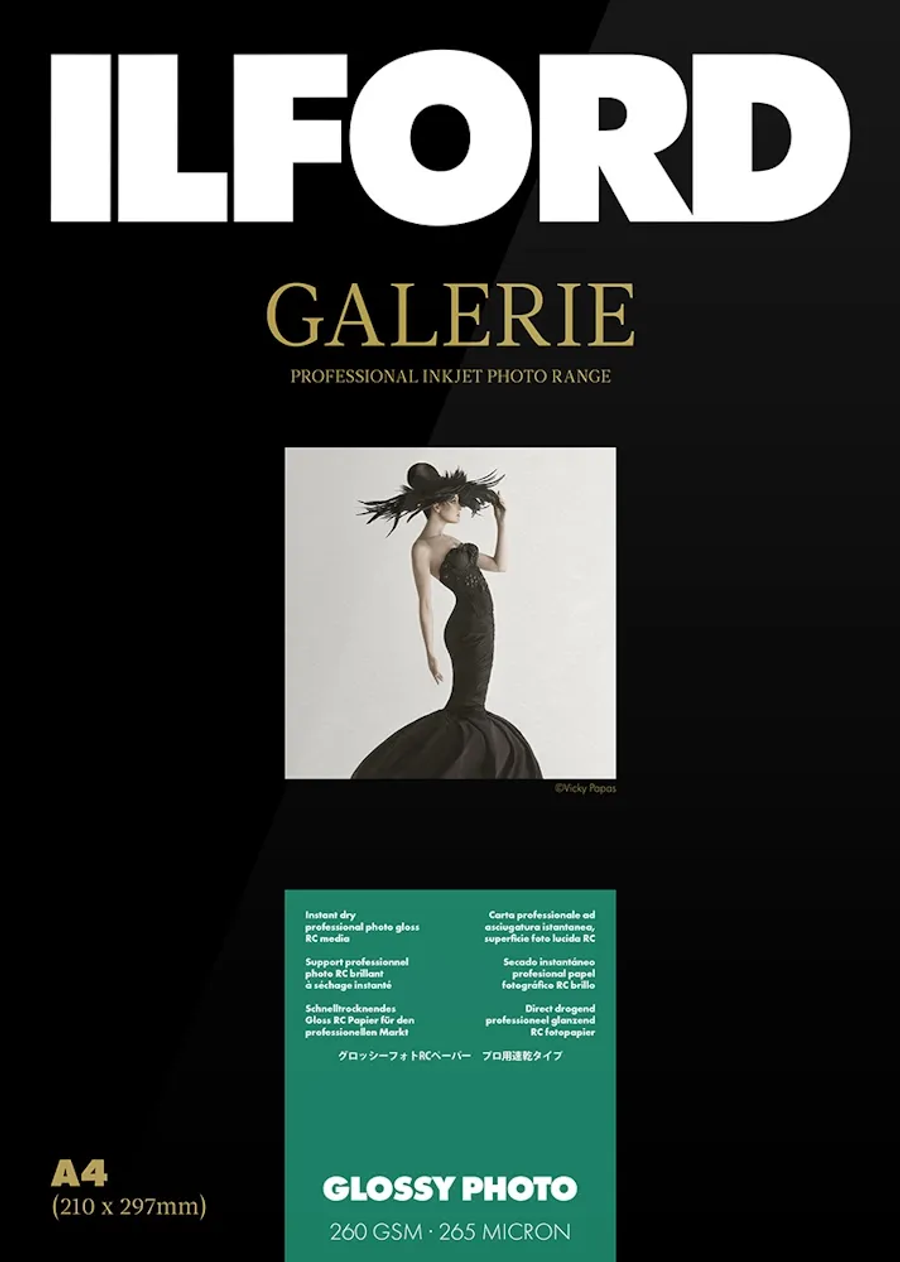
Gloss
Glossy paper produces the highest contrast and most saturated colour of any finish. It's the classic choice for vibrant, punchy images, travel photography, sports, and anything where colour pop matters more than subtlety. The trade-off is reflectivity; gloss prints can suffer from glare under direct light and show fingerprints more readily.
Lustre / Satin
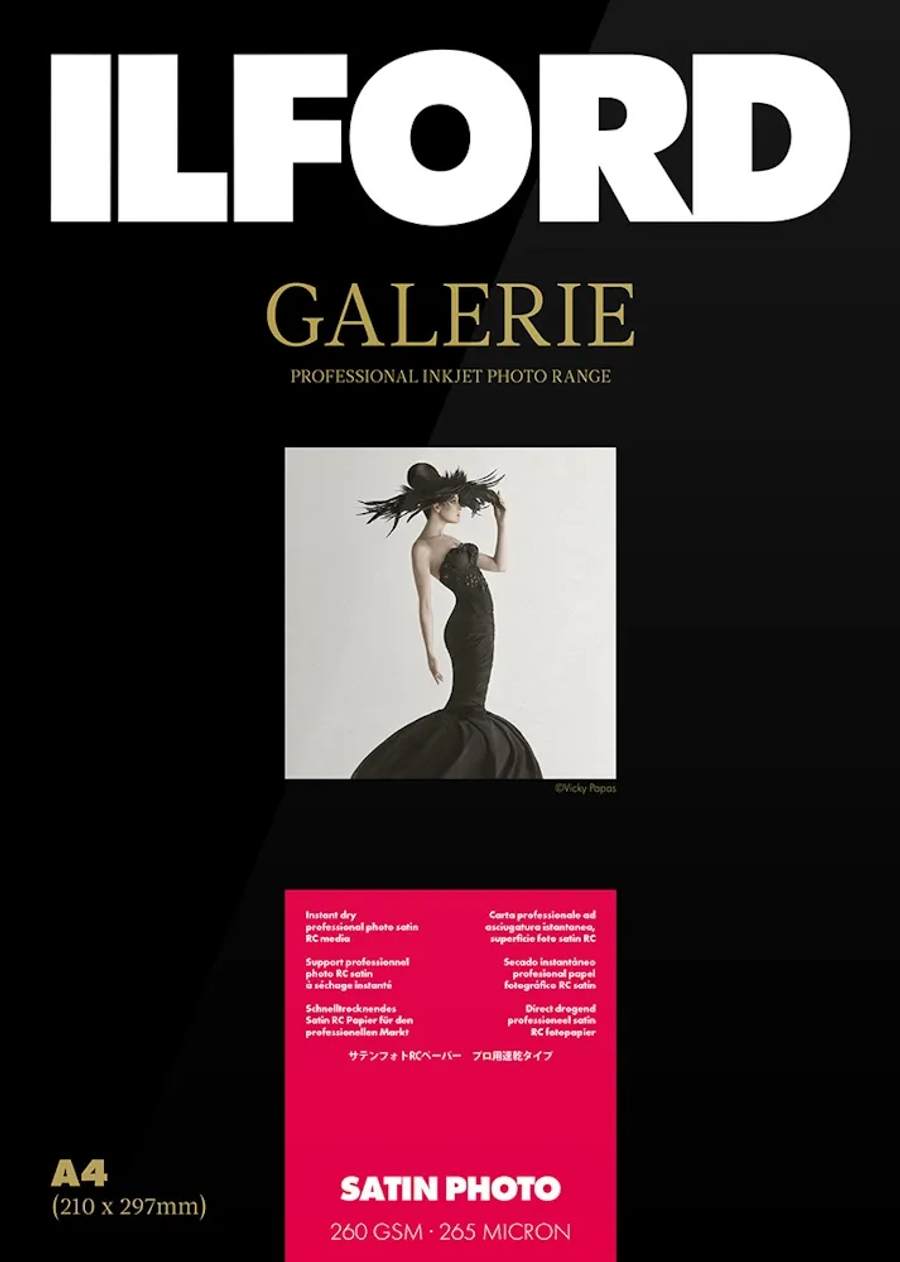
A middle ground between gloss and matte, lustre paper retains strong colour depth while reducing glare and fingerprints. It's a popular choice for portrait and wedding photography, and for prints that will be handled or displayed under varied lighting.
Matte
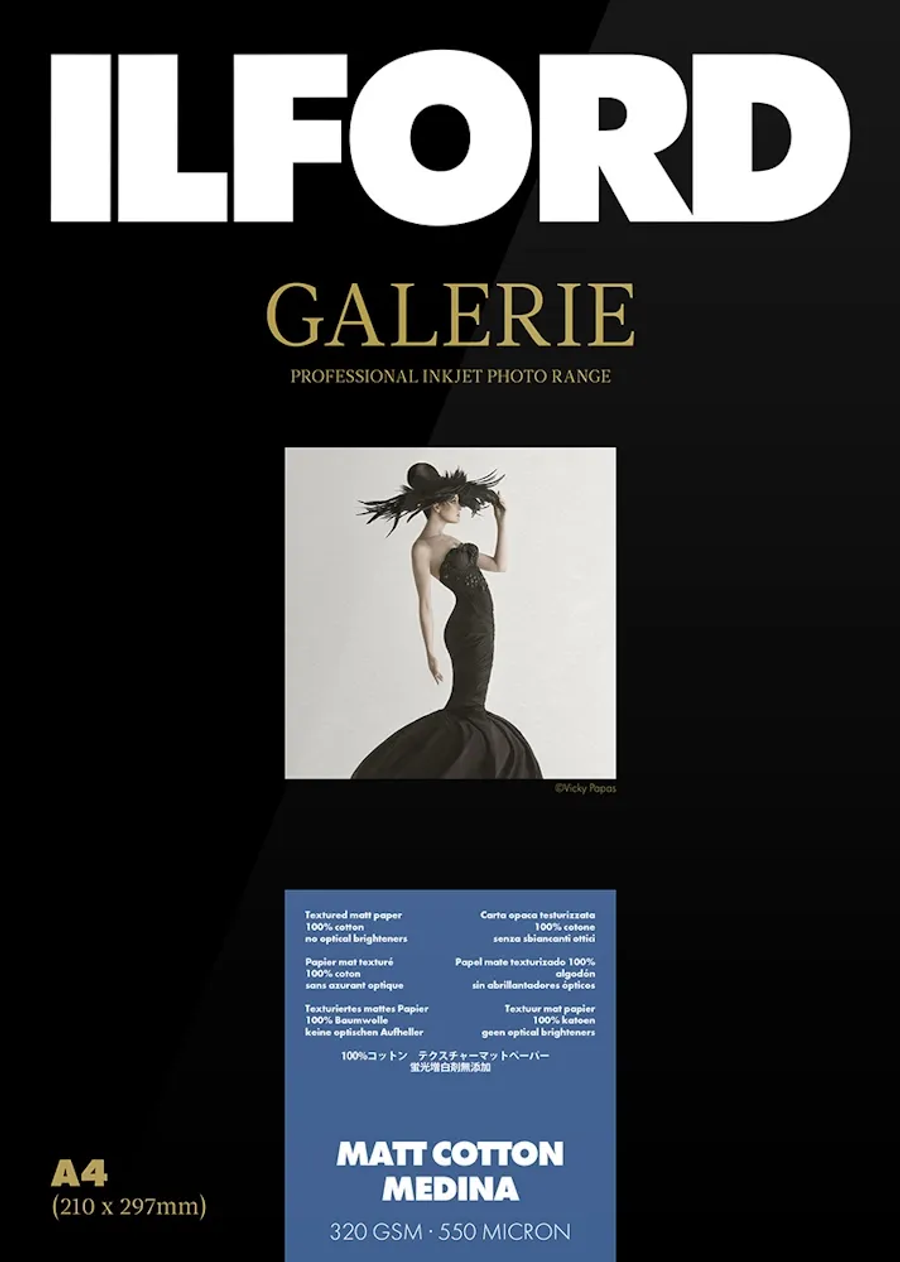
Matte paper has no reflective coating, which makes it ideal for prints destined for gallery walls or framed display under glass. Colours are more muted and blacks slightly softer than gloss, but the trade-off is a refined, non-reflective surface that reads as more "fine art" than "photographic."
Metallic
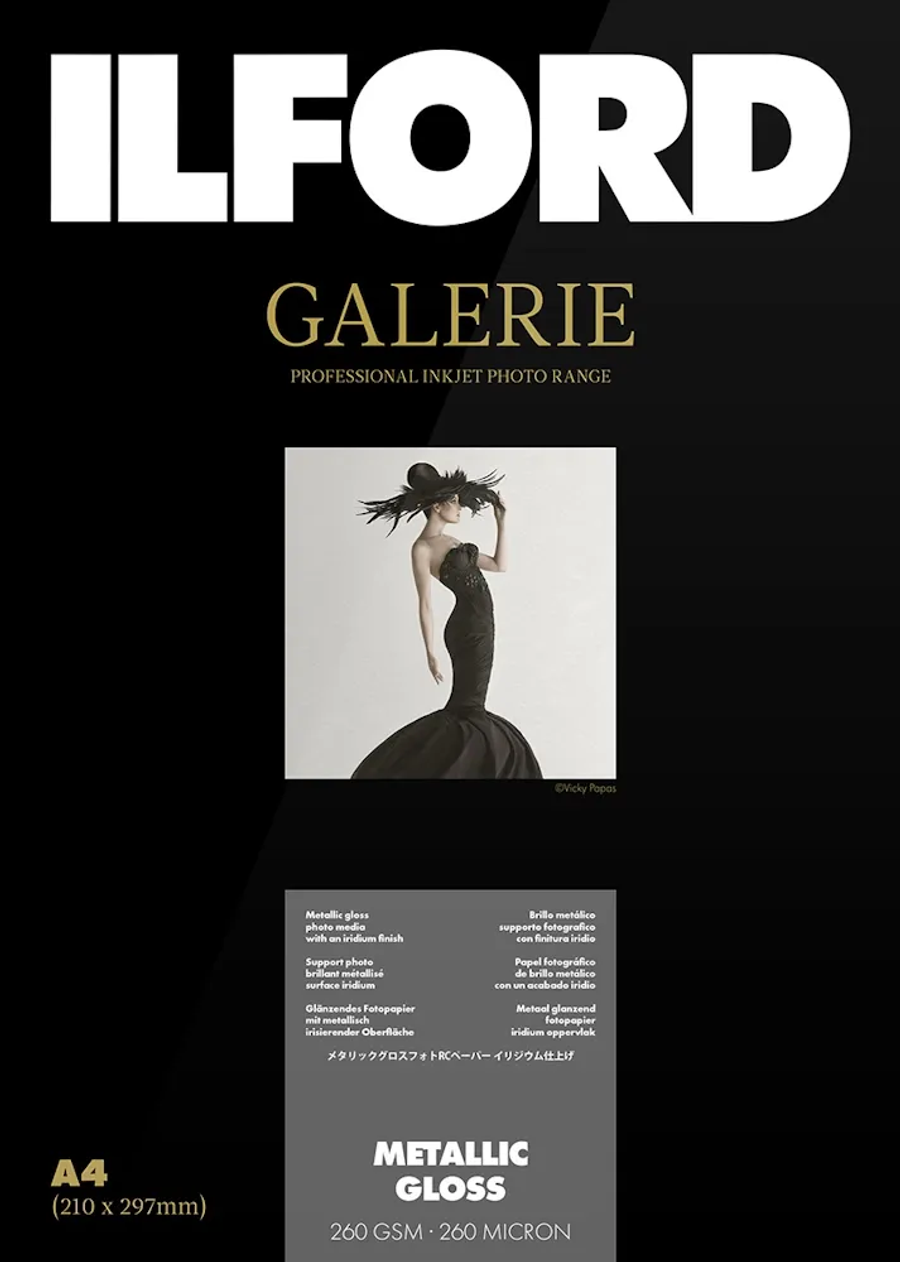
Metallic photo paper has a pearlescent base layer that adds a subtle shimmer and depth to colour and contrast. It suits images with strong highlights, water, metal, neon, night photography, where that extra dimensionality adds impact.
Fine Art Papers: Cotton Rag and Beyond
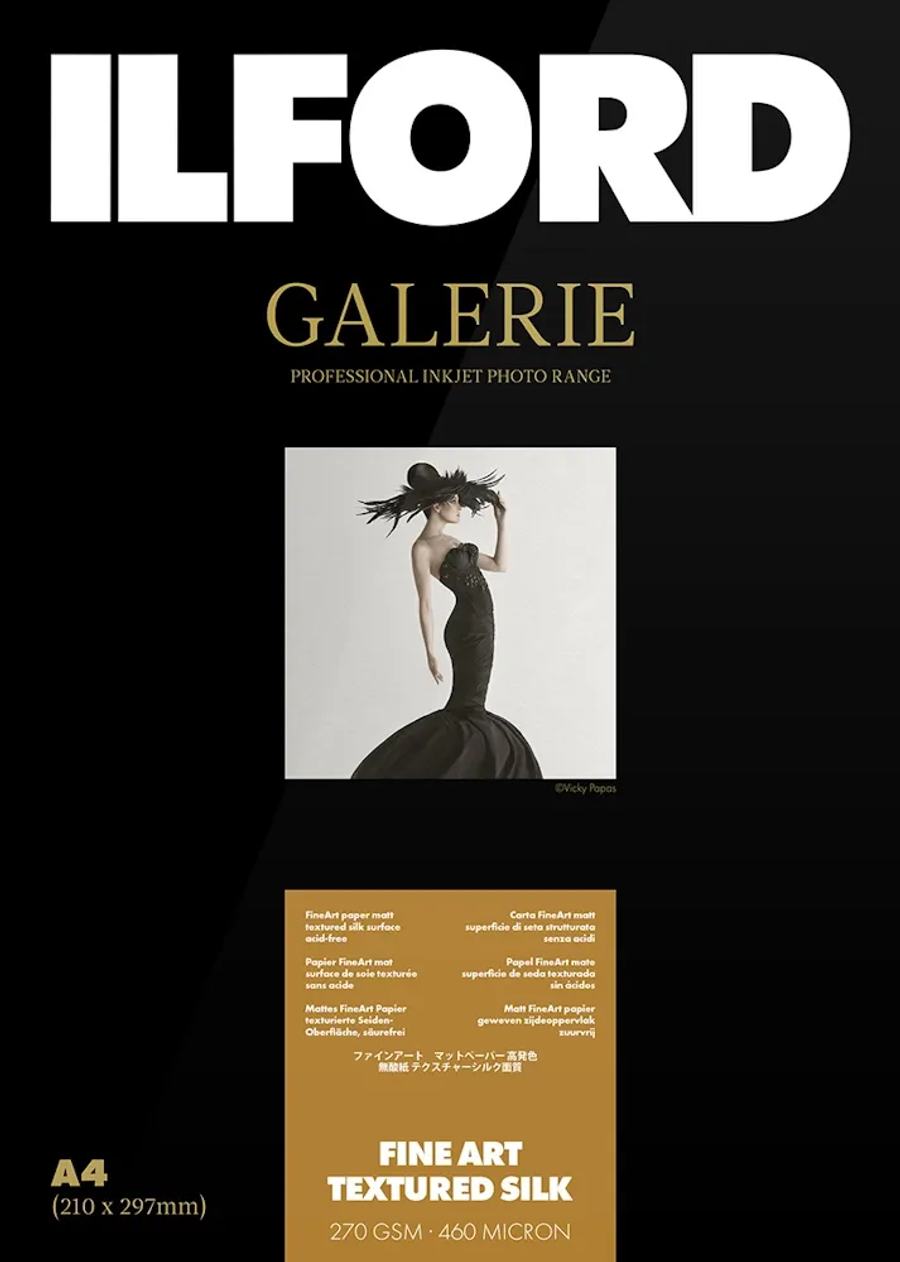
For prints intended to last, fine art papers move beyond standard photo stock into archival, cotton-based substrates. Fine Art Paper is typically made from cotton rag or alpha-cellulose fibres rather than resin-coated paper, giving it a textured surface and a longevity rating measured in decades rather than years.
Options like the Ilford Galerie Smooth Cotton Rag and Textured Cotton Rag are built for exhibition and gallery work, where the paper itself becomes part of the presentation.
If you're framing for sale or exhibition, fine art paper is worth the investment, galleries and collectors expect archival quality, and a print on standard glossy stock can read as amateur next to one on cotton rag.
Black & White and Darkroom Printing
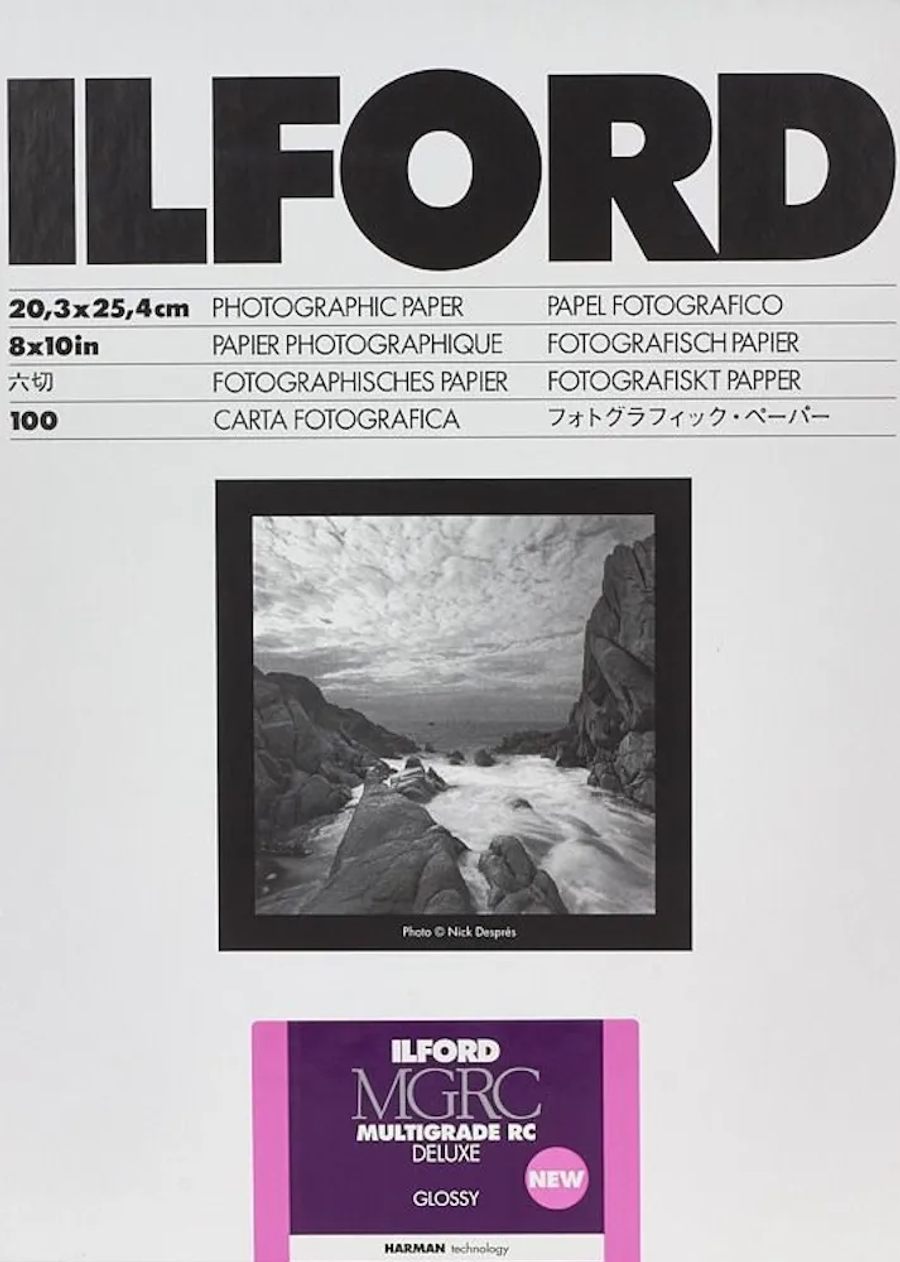
For photographers still working with traditional darkroom processes, Black & White Darkroom Paper remains a dedicated category distinct from inkjet photo paper. Ilford's Multigrade range, including RC Deluxe and fibre-based options, continues to be the benchmark for traditional silver gelatin printing, and pairs naturally with the renewed interest in analog and darkroom photography.
Choosing the Right Paper by Brand
CRK stocks photo and fine art paper from several major manufacturers, each with their own character:
- Ilford, broad range spanning inkjet photo paper, Galerie fine art stock, and traditional darkroom paper
- Canon, photo paper optimised for Canon's own large format and desktop printers
- Harman, fibre-base inkjet papers with a traditional warmtone finish, plus specialist direct positive and photo booth media
Matching paper brand to printer brand isn't strictly necessary, but papers are often colour-profiled against specific printer and ink combinations, so checking compatibility before a large print run is worth the five minutes it takes.
Paper Formats: Sheets vs. Rolls
Photo and fine art paper is available in both Photo Paper Sheets and Photo Paper Rolls. Sheets suit standard print sizes and lower volume work, while rolls are the better option for large format printing, panoramic prints, or any workflow involving Large Format Inkjet Printers, they reduce waste and allow custom print lengths without being locked to a fixed sheet size.
Finishing Your Prints
Once printed, fine art and photo paper often needs trimming to final size, particularly when working from rolls or oversized sheets. A dedicated paper trimmer like those from Rotatrim gives a clean, square edge that a standard guillotine or blade can't reliably match, a small detail that matters when a print is going into a frame or a portfolio.
Find Your Paper at C.R. Kennedy
C.R. Kennedy stocks a full range of photo paper and fine art paper from Ilford, Canon, and Hahnemühle, alongside black & white darkroom paper for traditional printing. Whether you're printing a quick proof or producing a gallery-ready exhibition piece, the right paper is in stock and ready to go.
