

What Is Telephoto Mode?
What Is Telephoto, and how to use it?
Telephoto gets used loosely, usually as a stand-in for “the lens with the long zoom,” but the word itself is describing something more specific than reach. It's also older than photography itself, and knowing what it originally meant clears up a lot of the confusion about what a telephoto lens is actually promising you. Here's where the word comes from, what it technically means in a camera, and how it's different from “zoom,” which is the mix-up almost everyone makes.
Where the Word "Telephoto" Actually Comes From
Telephoto is built from two Greek roots: tele, meaning far, and phos or photos, meaning light. Stuck together, the word roughly means “far light,” which in practice describes capturing light, and therefore an image, from something a long way off.
That etymology lines up neatly with what the word actually does in a camera. A telephoto lens brings a distant subject's light to your sensor as if you were standing much closer, which is really just the practical, everyday meaning of “far light” put to work.
What "Telephoto" Actually Means in Photography
In everyday use, telephoto just means a lens that magnifies distant subjects, letting you fill the frame with something you can't walk up to. That loose definition is how almost everyone, including most working photographers, actually uses the word day to day.
The stricter, technical definition is narrower: a true telephoto lens uses a specific optical design, a rear lens group with negative power, that lets the physical barrel be shorter than the focal length itself. Our range of telephoto lenses covers both senses of the word, since almost nobody outside lens design actually separates the two in practice.
Telephoto Doesn't Mean Zoom
This is the mix-up that causes the most confusion. Telephoto describes focal length, zoom describes whether that focal length is fixed or adjustable, and the two are answering completely different questions.
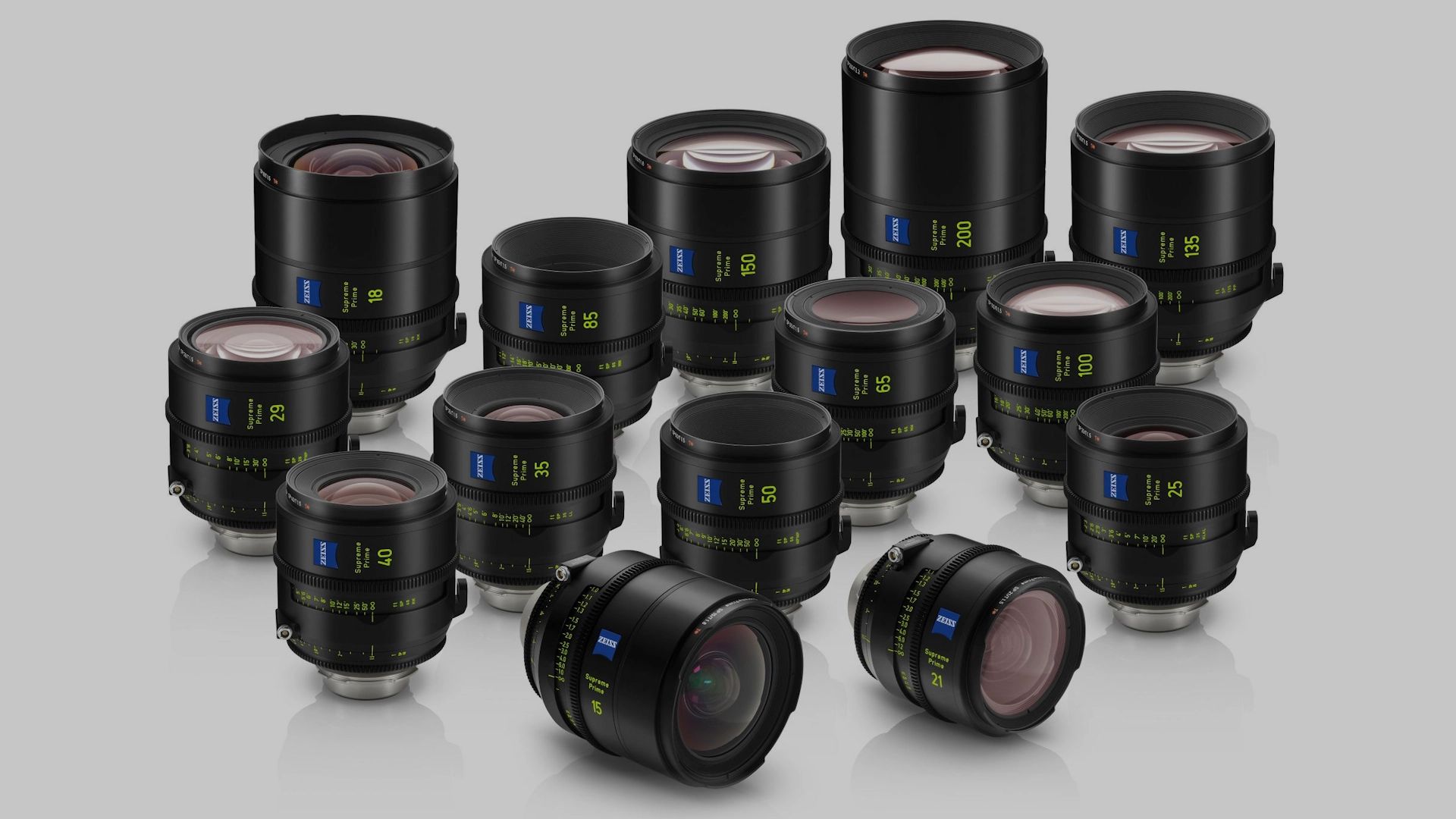
Plenty of telephoto lenses are actually prime lenses with a single, fixed focal length, 85mm and 135mm primes being the obvious examples. Calling every long lens a “zoom” is a habit, not a rule, and it's worth unlearning if you're shopping by spec sheet rather than by ear.
What Counts as "Telephoto" Focal Length
There's no official cutoff, but the rough consensus starts around 60mm on a full-frame camera, with anything close to 50mm considered “normal,” roughly matching how the human eye sees a scene. Our 50mm lenses sit right at that boundary, which is part of why 50mm comes up so often as the reference point in these conversations.
Past that boundary, focal lengths keep climbing well past 600mm for specialist wildlife and astro work, and the word "telephoto" covers the entire stretch without distinguishing between a gentle 85mm portrait lens and an extreme 800mm super-telephoto. The label tells you the general category, not the specific job.
Why the Word Still Matters When You're Buying
Knowing what telephoto is actually promising, reach and background compression rather than a specific optical design, makes it much easier to read a spec sheet without getting distracted by marketing language. For the full breakdown of focal lengths, trade-offs and how to pick one for what you actually shoot, we've got a dedicated guide to what a telephoto lens actually does.
The short version is that the word itself isn't the deciding factor. What you're photographing, and how close you can physically get to it, matters far more than whether a lens technically qualifies as telephoto in the strict optical sense.
Find Telephoto Lenses at C.R. Kennedy
C.R. Kennedy stocks Sigma telephoto lenses for modern autofocus options across mirrorless mounts, and Pentax telephoto lenses for photographers building a kit around Pentax's DSLR and mirrorless systems. Get in touch with our team if you want help working out which focal length actually suits what you're trying to shoot.
